Heat stress in ruminants: what are the effects on the animals?
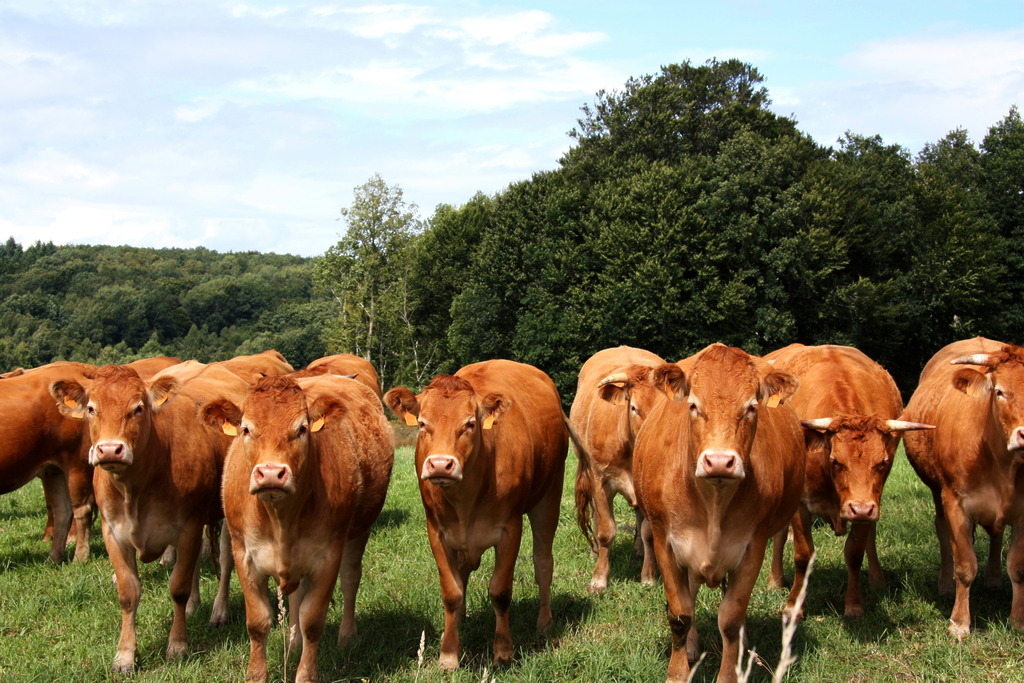
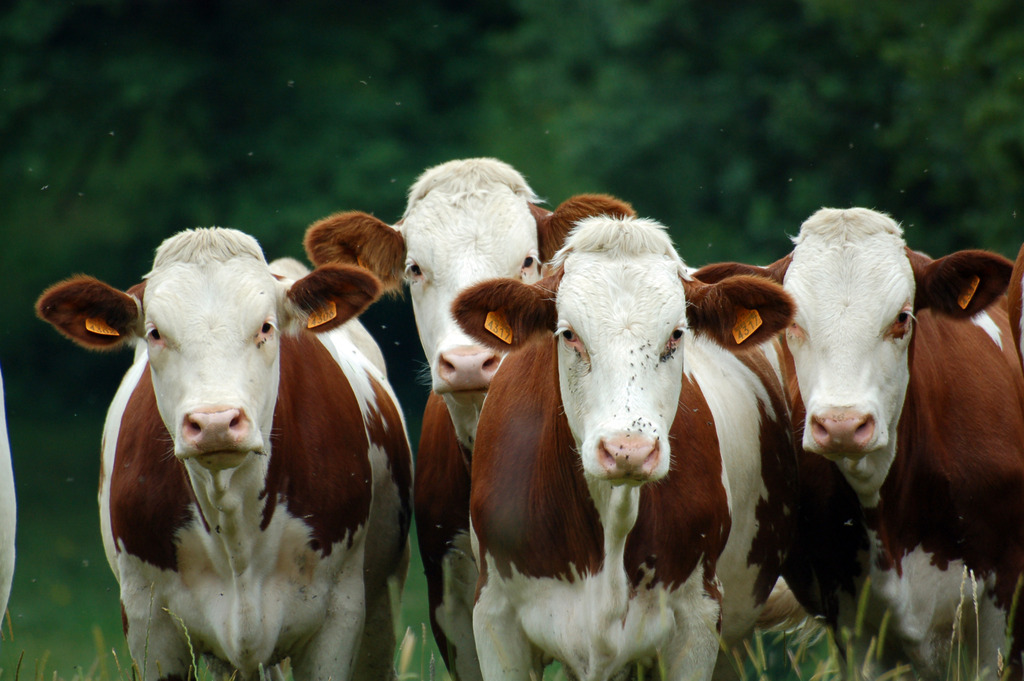
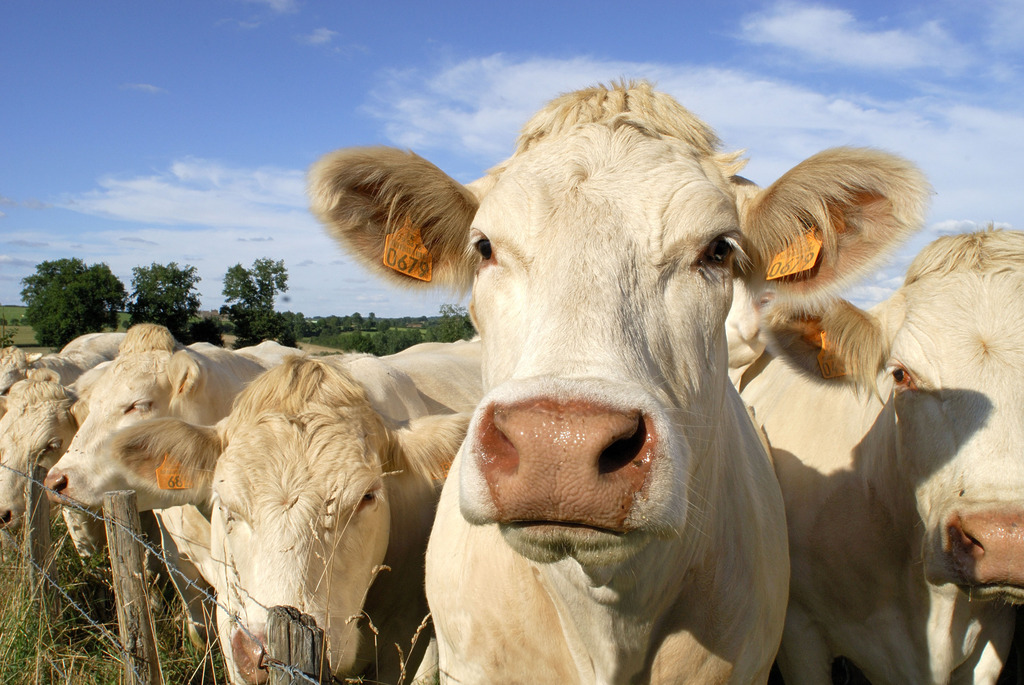
Heat stress in ruminants, and particularly in dairy cows, has become a major challenge for farms. With frequent, intense and prolonged hot spells, the impact on reproduction, animal health and farm profitability is becoming increasingly significant.
Long before it affects milk production, heat stress directly impacts fertility. Understanding its mechanisms and implementing appropriate solutions, particularly nutritional ones, is now essential to ensure consistent performance on farms.
Heat stress in dairy cows : fast effects on reproduction
Heat stress occurs when an animal’s thermoregulatory capacity is exceeded. When the THI (Temperature Humidity Index) exceeds 72, the cow’s physiological functioning changes significantly: panting, vasodilation, increased respiratory rate and reduced feed intake.
This adaptation helps to maintain body temperature, but it comes at the expense of key functions, particularly reproduction. The cow then shifts its metabolism towards survival, disrupting ovulation and weakening the uterine microenvironment, which increases the risk of insemination fail.
High-yielding cows are particularly susceptible: the higher the milk yield, the greater the metabolic heat generated, increasing the impact of heat stress.
A fast drop in conception rates as the THI increases

Thermal stress effect: rapid decline in conception rates as the THI increases
Scientific data show that reproduction is affected early and more severely than milk production. Between the cool season and the warm season, the pregnancy rate can drop by 15 percentage points, with a significant increase in early embryonic losses.
From the first oestrus, fertility thus becomes one of the first areas to be compromised in the herd, often before any visible signs affecting milk production are observed.
HEAT stress and reproduction: visible effects from the very first days
Heat stress affects several stages of the reproductive cycle:
- From day 0 to day 7 after insemination, ovocyte maturation is disrupted. The ovocyte is no longer maintained at a stable temperature, which affects its metabolism.
- From day 7 to day 31, a critical period for implantation, the embryo becomes extremely sensitive. Embryonic losses are up to five times more frequent during the summer months.
- The reduction in feed intake leads to an energy deficit, reducing the availability of nutrients essential for reproduction.
- Towards the end of gestation, heat stress can result in a reduction in calf birth weight of around 4 kg, with a weaker immune system.
The economic consequences are significant:
+20 to +40 days of non-pregnancy, +1 to +2 additional inseminations per successful AI, a longer calving interval and an estimated cost of between €100 and €200 per cow per year.
Nutritional solutions to reduce the effects of heat stress
Heat stress management in farms cannot rely solely on ventilation or the comfort of the building. Nutrition is a key factor in supporting animals during hot weather.
Thermoplus®: Helps improve animal comfort
Trials conducted with Thermoplus® show a significant reduction in the time spent with a vaginal temperature above 39 °C, indicating improved thermoregulation.
The results on the field speak for themselves:
- +23 percentage points in pregnancy rates in a Mexican herd exposed to a THI of 72 to 78,
- A significant improvement in reproductive performance in Spain (+93% in relative pregnancy rates),
- A reduction in the number of AI attempts per successful insemination.

Thermoplus® also supports feed intake and helps to stabilise energy balance, two factors that are essential for the quality of ovulation and embryo survival. By regulating heat stress, feed intake and hormonal balance, Thermoplus® is an effective tool for ensuring performance during the summer months.
Available in various forms (powder, pellets), Thermoplus® meets the needs of animals during drying-off, lactation or fattening.
Discover the video on our Thermo® range
HYDRAPLUS
For the first few weeks of life, Hydraplus, a milk-dispersible solution, complements the range by providing specific support for young animals exposed to thermal stress.
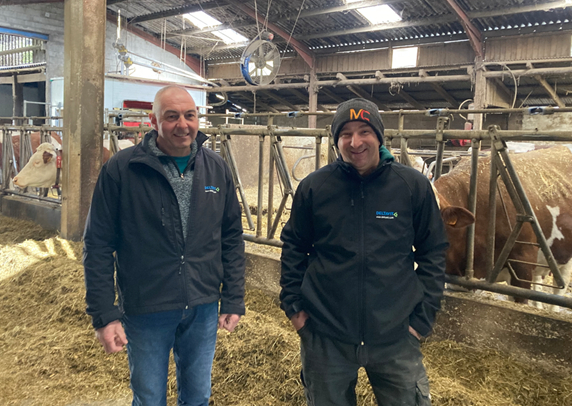
Testimonials from farmers: concrete results in the field
The solutions in the Thermo® range prove their effectiveness directly on the farm.
Damien, a farmer in the Ardèche region (France) :
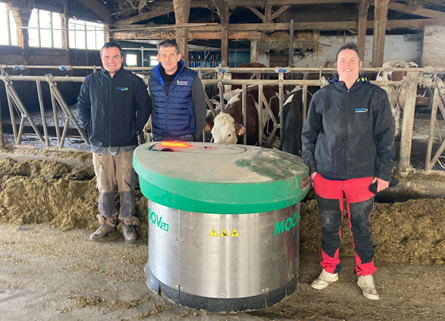
GAEC Parais – Jean-Philippe PARAIS
GAEC de la Hussaudière – Anne et Jean-Louis THOMAS
THI and Thermotool: anticipating heat stress to react better
The THI (Temperature Humidity Index) is a key indicator that combines temperature and humidity to assess the severity of heat stress experienced by animals. It enables farmers to anticipate periods of risk and quickly adapt their management strategies.
To support farmers, DELTAVIT has developed the free Thermotool app, a simple and practical tool for estimating the THI on your farm and effectively managing heat stress.
download thermotool NOW !

- Download from Play Store
- Download from App Store