Late-Summer Calving: How Can We Maintain Calves’ Vitality Despite Heat Stress?
Every year, late-summer calving presents a particular challenge for dairy farmers. When cows experience heat stress during the final weeks of gestation, the consequences extend beyond their comfort or performance: they can also directly affect the quality of the calf at birth.
Lower body weight, reduced vitality, weakened immunity… the effects of heat can be felt from the very first hours of life. In this context, colostrum management becomes a key factor in ensuring a healthy start for young animals.
Why does heat stress affect calves?
Toward the end of gestation, the female’s nutritional needs increase significantly to support fetal growth. However, during periods of extreme heat, animals naturally reduce their food intake to limit the heat generated by digestion.
This decrease in food intake is accompanied by metabolic disturbances and an increase in oxidative stress. As a result, the calf’s development can be affected even before it is born.
Toward the end of gestation, it is essential to provide mothers with vitamins and trace minerals. Calves born to mothers that have experienced heat stress often exhibit:
- A lower birth weight;
- Reduced vitality;
- A less pronounced sucking reflex;
- Greater susceptibility to dehydration;
- A weakened immune system during the first few weeks of life.
These consequences are even more pronounced when the quality of the colostrum itself is compromised.
Colostrum: A Calf’s First Line of Defense
At birth, calves have virtually no immunity. Their only source of protection against pathogens is the colostrum they consume during the first few hours of life.
Why does the quality of colostrum decline in the summer?
Thermal stress experienced by mothers late in gestation can reduce the quality of the colostrum they produce.
When exposed to heat:
- Food consumption is declining;
- Energy metabolism is disrupted;
- Oxidative stress increases;
- Levels of immunoglobulins and antioxidant vitamins (vitamins A and E) may decrease.
Colostrum then becomes less rich in nutrients essential to the newborn’s immune system. Immune transfer is less effective, and calves are more susceptible to digestive and health problems during their first weeks of life. Colostrum quality is lower in the summer; combined with lower calf birth weights, it becomes essential to provide support to calves to ensure they get off to a good start.
Top Tips for Summer
- Minimizing heat stress in mothers to maintain adequate calf weight and colostrum quality
- Caring for calves at birth by providing them with immunity and energy
Patoral Se, a valuable supplement for calves born after an episode of heat stress
When a calf has been affected by heat stress during gestation, it may be born with limited energy reserves and a weaker immune system.
Patoral Se was designed to support these young animals from their very first hours of life, thanks to a formulation that combines:
- Quickly available energy (flaxseed oil, MPG);
- Antioxidants (Vitamin C, grape seeds, vitamin E, selenium)
- Chelated trace elements (Cu, Zn, Mn) for effective absorption
- Yeast to nourish the gut microbiota
This supplement helps support the newborn calf’s vitality, stimulate colostrum intake, and provide support during high-risk periods, particularly during summer calving.
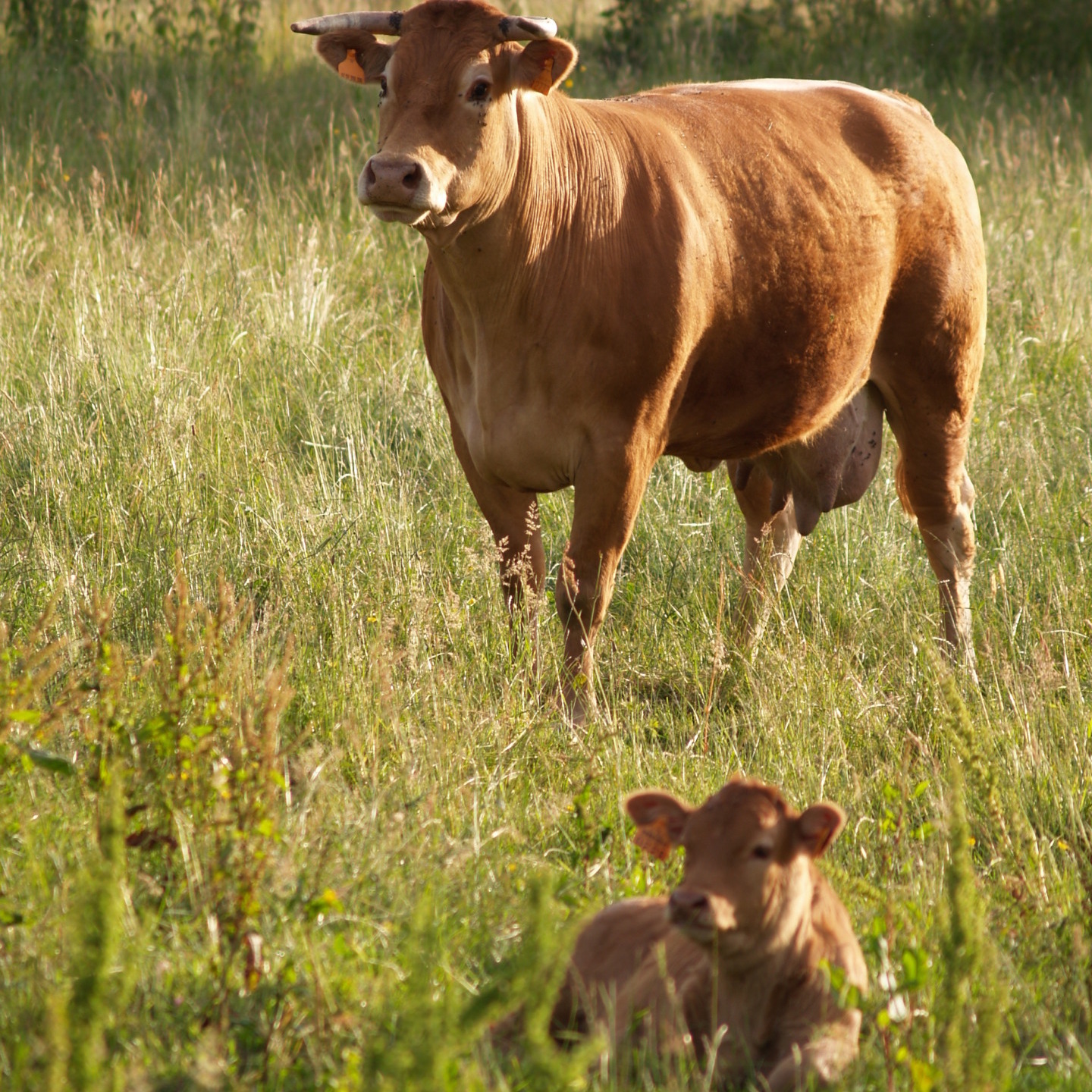
In suckler herds, the mineral intake of the dams is often insufficient late in gestation for animals on pasture. In these situations, calves may start life with more limited reserves.
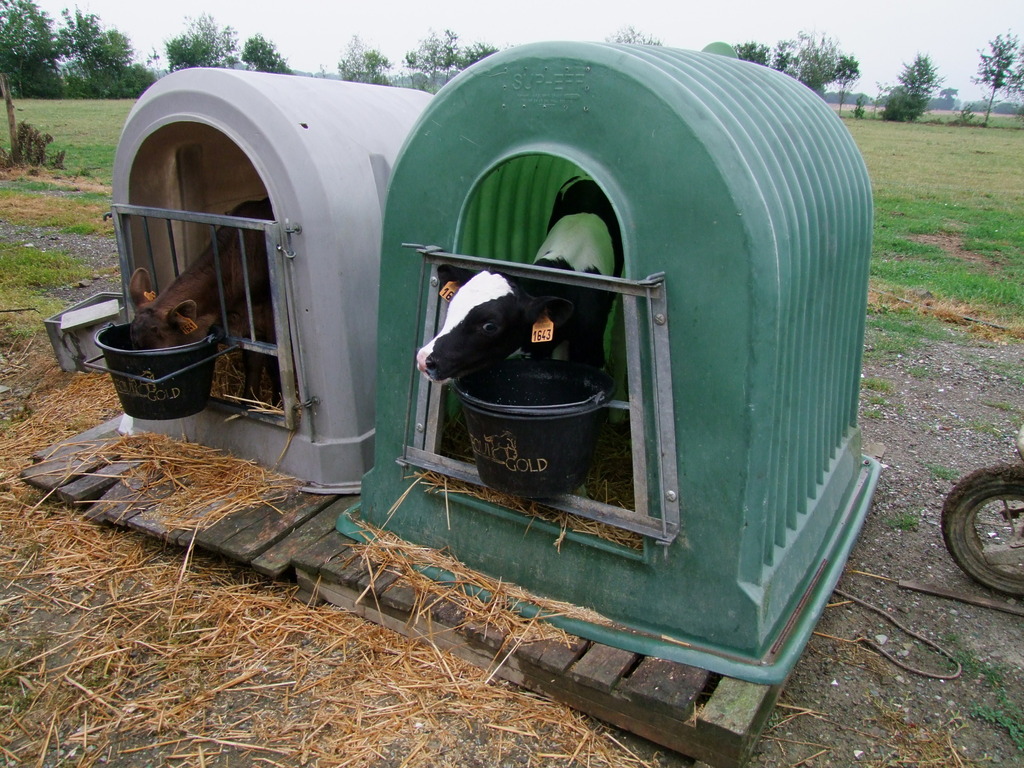
In dairy herds, for late-summer calvings, if newborn calves are kept in calf pens, the temperature inside can rise very high, so be sure to keep them in a shaded area to minimize heat stress.
Using Patoral Se thus provides additional support during the critical calving period, helping the young animal get off to a good start and better realize its potential.