Out to pasture for ruminants: a key transition to ensure herd health and performance
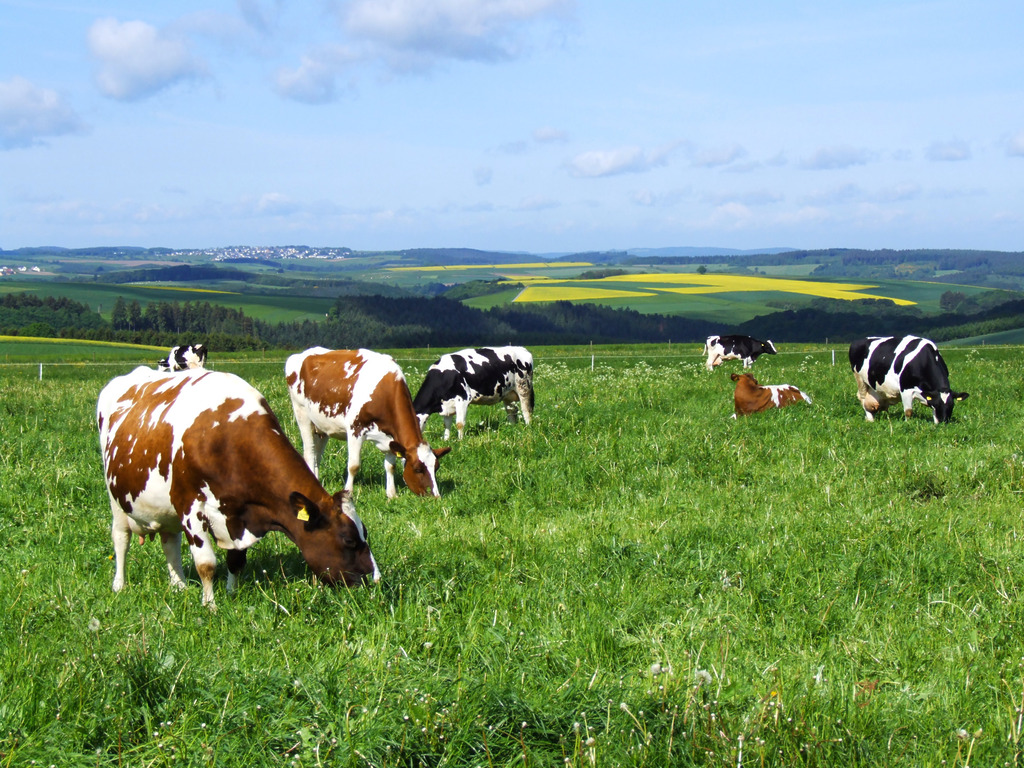
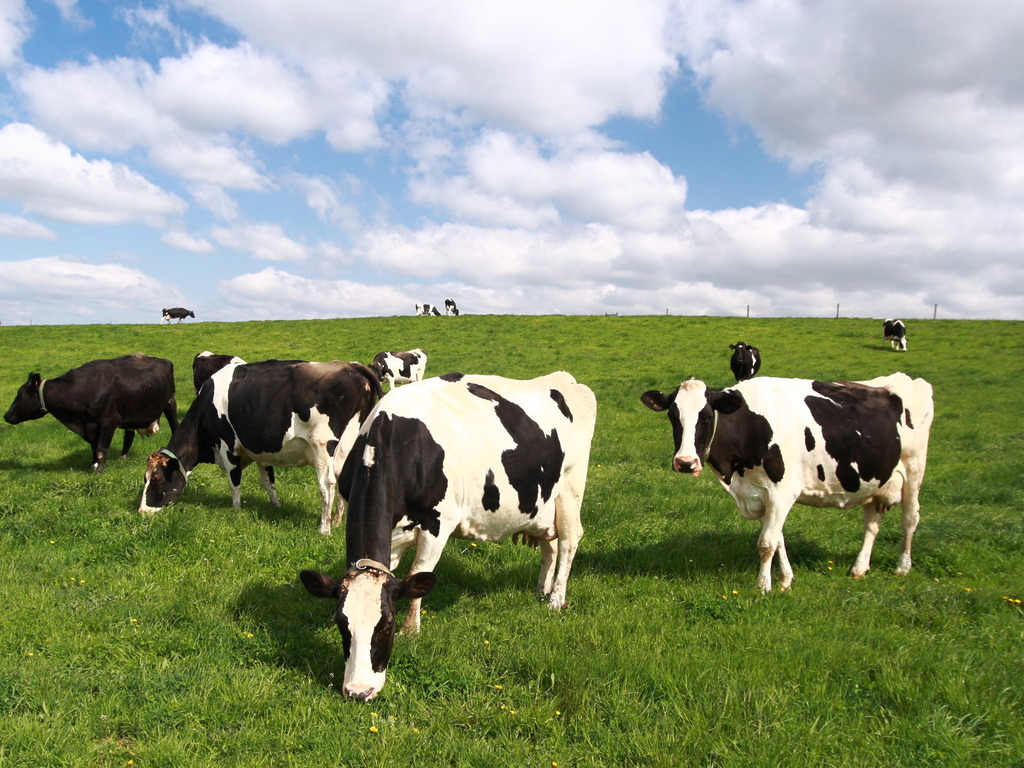
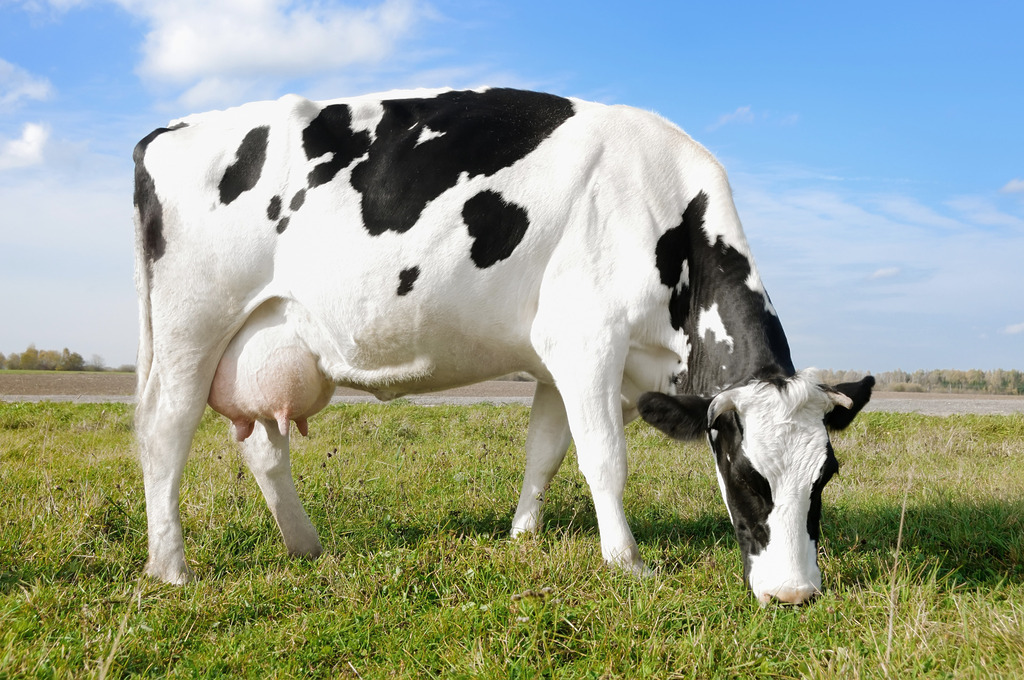
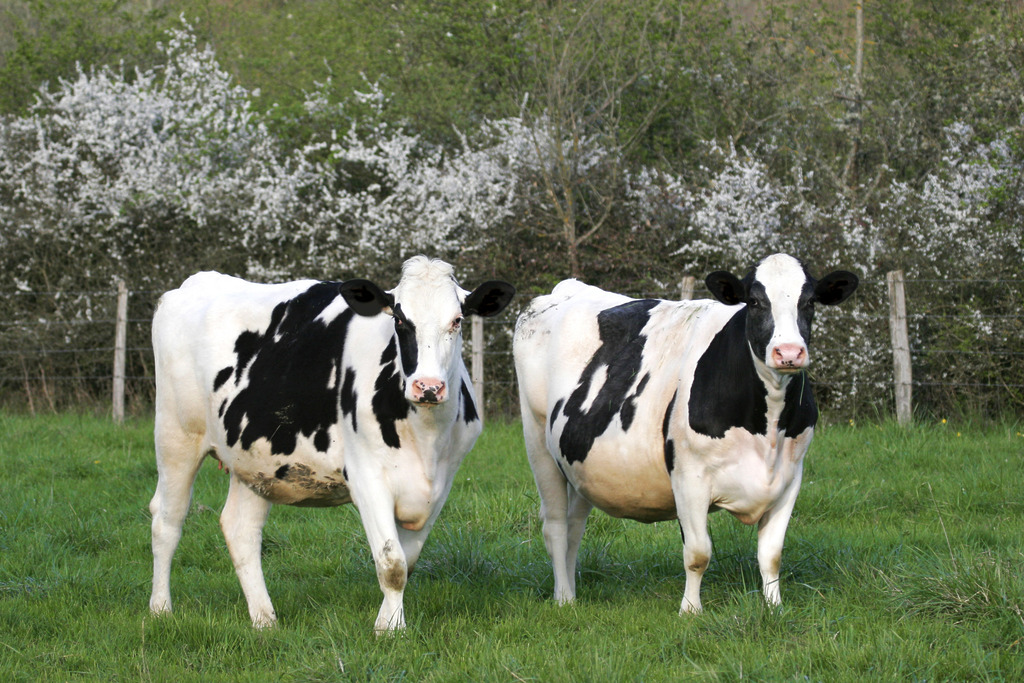
Going out to pasture is a fundamental stage in the year. It allows you to make the most of economical, appetising fodder that is rich in nutrients. However, it is also one of the most risky periods:
- Abrupt transition in rations
- Nutritional imbalances
- Digestive and metabolic risks
- Increased parasitic pressure…
If improperly managed, it can lead to digestive disorders, grass tetany, reproductive problems and parasite infestations, resulting in a decline in performance.
The main risks in spring
1. A sharp change in diet: the rumen on the front line
The transition from winter feed (often rich in starch, such as maize) to feed based on young grass, which is very moist and rich in soluble nitrogen, causes a rapid change in ruminal pH and digestive flora (more acidic fermentation).
Spring grass is very moist (15–20% DM), low in fibre and rich in fermentable carbohydrates, which can lead to risks of acidosis, diarrhoea, reduced intake, urea spikes, etc.
2. Excess soluble nitrogen: metabolic losses & impact on reproduction
Only 10–30% of the nitrogen in grass is utilised. The excess becomes ammonia, overloads the liver and can cause return to oestrus, embryonic loss and a decline in general health.
3. Mineral deficiencies and grass tetany
Young grass is low in magnesium and sodium and sometimes too rich in potassium. Magnesium absorption is reduced, leading to a risk of grass tetany, which is often sudden and severe.
4. High parasitic pressure
Animals re-ingest larval parasites present in pastures: intestinal and lung strongyles, flukes, paramphistomes: a danger that increases as soon as they are brought outside.
Essential best practices for successful graze-out
Ensure a gradual transition of the ration:
- If possible, introduce green grass into the trough before going outside.
- Gradual outdoor time: 2–3 hours per day during the first week, preferably in the afternoon when the rumen is full.
- Feed between 11 and 14 kg of dry matter (DM) of maize silage and 1.5 kg of DM of long fibres (straw/hay)/day
- Gradually increase grazing time: over 2-3 weeks
- Maintain a balance between grass and maize silage before reaching 100% grazing: minimum 15 days
SecurE mineralisation:
- Ensure adequate mineralisation, particularly to guarantee magnesium intake.
Observation and practical management:
- Daily checks: appearance of droppings, physical condition, weather, behaviour.
Deltavit solutions for safe graze-out
Deltavit offers a complete range of products to manage feed transition, grass valorisation, mineralisation and palatability, while addressing the issues outlined previousely.
Deltatys®– Support for the feed transition
- Slows down the deterioration of grass (Vivactiv’ kernels, Nitrolinea).
- Helps limit ammonia spikes during dietary transitions.
Feedback from farmers on the DELTATYS® nutritional supplement:
« More consistent excrement, fewer urea spikes, better fertility. »
Christophe – EARL Lecomte
François and Marie – Dairy cow farming in the Cambrésis region
Crystalyx Cubes: a patented manufacturing process
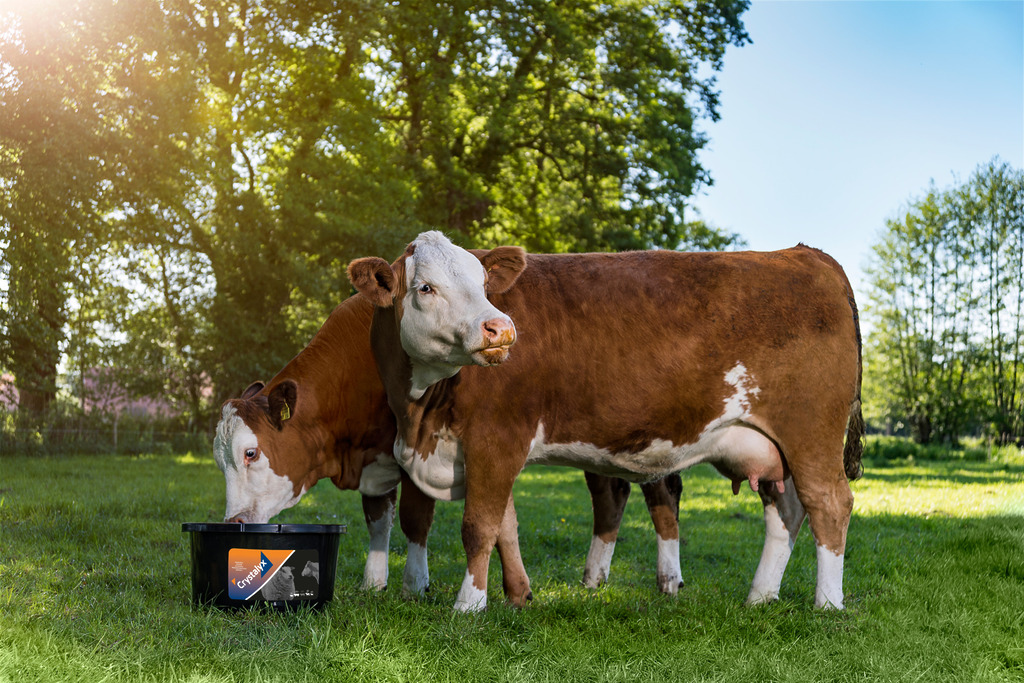
Weather-resistant and for self-service use.
PRIMALYX®
The licking bucket to optimize grass and provide energy !
- +6% average intake and digestibility.
- Sugar supply: promotes microbial synthesis in the rumen
- -5% ruminal ammonia
- 10.5% assimilable Mg: helps compensate for grass variations.
- Maintains body condition
Perfect 3–10 weeks after turning out to pasture, particularly during periods of rapid growth, to help compensate for variations in grass quality throughout the season.
AÏOLYX®
Energy supplement + contributes to parasite risk management
- Self-service energy supply.
- Formulated with garlic: whose aromatic compounds are found in animal sweat. Contributes to animal comfort when insects are present in the pasture.
- Suitable for hot periods or exposed pastures.
GALAPACK® MiDi Pâture
The licking bucket for mineral rebalancing for nitrogen-rich pasture
- Phosphore + magnésium hautement assimilable.
- Participe à l’équilibre de la ration en période de pâturage riche en azote.
- Technologie MiDi : grande digestibilité + résistance à la pluie.
Bovipack Midi Repuls’
Contient de l’ail pour contribuer au confort des animaux en présence de mouches
- Highly assimilable phosphorus + magnesium.
- Contributes to a balanced diet during periods of nitrogen-rich grazing.
- MiDi technology: high digestibility + rain resistance.
Galaphos® Nature Pâtur
High-quality natural mineral in micro-semolina form, specially designed for grazing cows.
- Enriched with magnesium → To supplement spring grazing.
- Chelated trace elements → Better absorption and increased effectiveness.
- Source of antioxidant polyphenols.
Polyphenols help to reduce oxidative stress, which is common when grazing (rapid transition, weather, high nitrogen intake). It is an ideal solution for farms looking for natural mineralisation that is complete and highly assimilable.
To sum up
The success of grazing depends on:
- A gradual transition
- Enhanced mineralisation
- Careful observation
- Appropriate technical solutions
With DELTATYS®, PRIMALYX®, AÏOLYX®, GALAPACK® MiDi Pâture and Galaphos® Nature Pâtur, Deltavit offers a comprehensive range of products to ensure digestion, mineralisation and well-being for grazing ruminants.